

Early Education
RELATED
- Environments
- Curriculum
- Food Nutrition
- Supporting Children
- Mindfulness
- Safeguarding
- Supervision
- Play
- Music
- Supporting Educators
- Maths
- Preschool
- Parental Support
- Transitions
- mindfulness
- Supporting EY Educators
- Additional Needs
- Partnership with Parents
- Inspections
- HR
42 Available
seats
7.00 PM to 9.00 PM
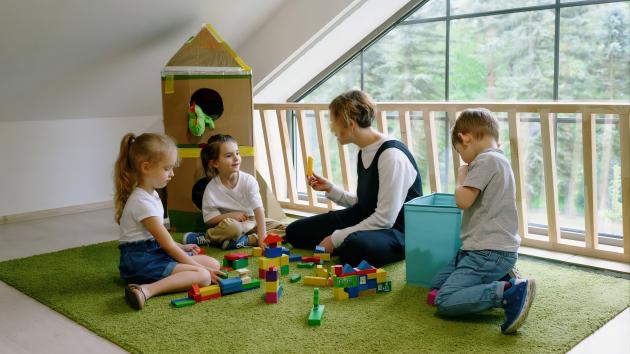
There have been many recent changes in Early Years education. For example, the impact of COVID has created language delays for some children. The arrival of people with different nationalities has resulted in more children with English not being their first language, attending Early Years services. Using visuals to aid communication will enable educators to support children with such difficulties.
40 Available
seats
7.00 PM to 9.00 PM
This webinar will help you understand sensory processing, recognize potential challenges, and develop strategies to support children’s sensory needs. You’ll learn about the sensory systems, their roles, types of sensory processing difficulties, and practical ways to create supportive environments for children.

49 Available
seats
7.00 PM to 9.00 PM
This webinar is perfect for Early Years professionals supporting children aged 2-6. Discover practical strategies for managing challenging behaviour, understanding the neuroscience behind it, and fostering self-regulation through supportive environments and quality interactions. Build your skills to promote positive behaviour and emotional development in young children.
50 Available
seats
7.00 PM to 9.00 PM
One of the main responsibilities of an EY Educator is to encourage children to explore and try new things and to actively supervise those activities, to help prevent any serious injuries. This webinar will help participants understand the key principles of active supervision and effective supervision strategies.
47 Available
seats
7.00 PM to 9.00 PM
Children develop the ability to manage their behavior gradually, with this process continuing into adolescence and early adulthood. Since every child is different, it's important to adapt our approaches based on their age and developmental stage.
This webinar focuses primarily on children in school-age childcare settings and is designed to equip educators and parents with practical strategies to address emotions and support positive behavior. It offers insights into creating supportive environments and fostering emotional regulation, helping children navigate this critical stage of development.

49 Available
seats
7.00 PM to 9.00 PM
Biting is a typical behaviour often seen in infants, toddlers and 2 year olds. As children mature, gain self-control and develop problem-solving skills, they usually outgrow this behaviour. While not uncommon, biting can be an upsetting behaviour for all involved.
This webinar will help you to understand the reasons young children bite and give you ideas and strategies for responding appropriately.

48 Available
seats
7.00 PM to 9.00 PM
Supporting young children’s emotional and behavioral needs can be challenging, but Play Therapy offers a powerful tool. This webinar will introduce you to the principles of Play Therapy, with a focus on Non-Directive Play Therapy, and provide practical skills you can use to support emotional development in Early Years settings. Perfect for educators looking to deepen their understanding and enhance their practice with young children.
49 Available
seats
7.00 PM to 9.00 PM
As a leader, confidently expressing concerns and addressing issues is essential—but for some, it can feel daunting. This webinar is designed to empower quiet leaders with practical skills to communicate effectively and handle challenges with confidence.
With modern leadership techniques and real-world case studies, this session will help you navigate difficult conversations and build trust, setting you up for success as a confident and effective leader.
The quality of educator-child interactions and relationships impacts child outcomes in various ways in early childhood and primary grades.
Safeguarding children is not simply a policy requirement. It is the foundation of professional practice in Early Years (EY) and School Age Childcare (SAC) services.