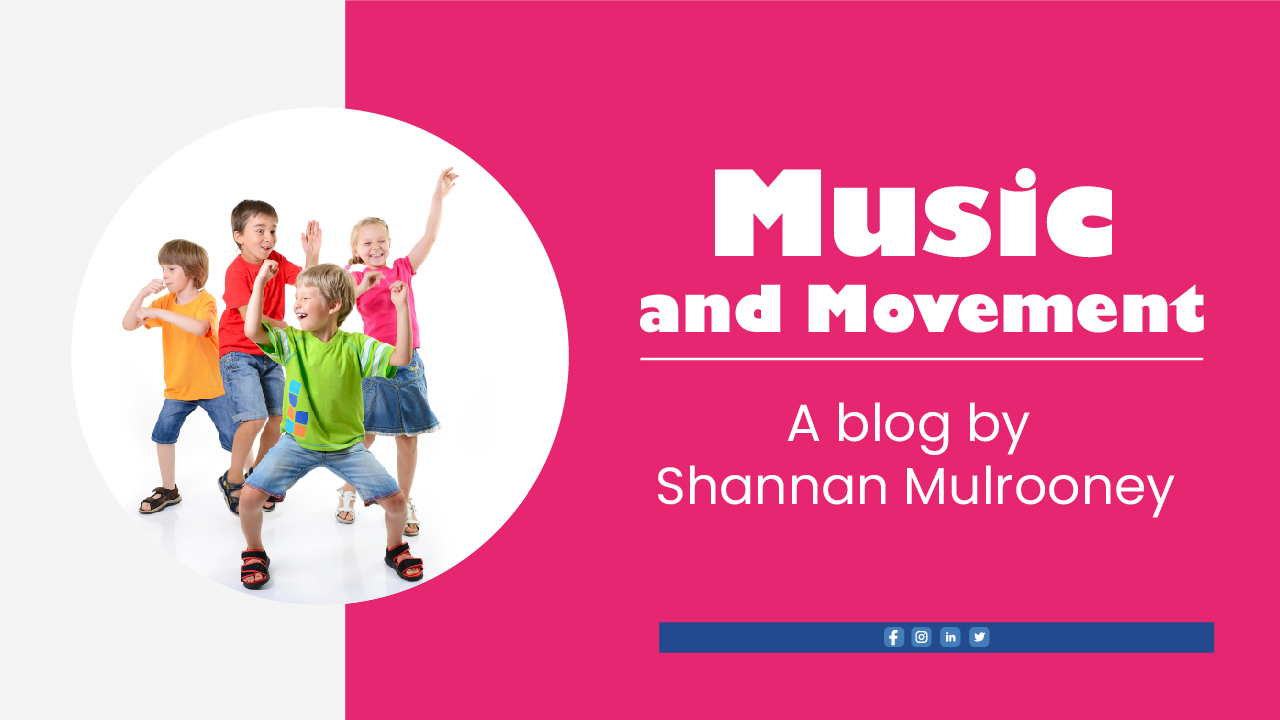
Saturday 29th of April is International Dance Day. It is celebrated on this day every year as it is the birthday of Jean-Georges Noverre the creator of modern ballet (1727-1810).
Dance is a form of art, and it is a great way for children and adults to express themselves. Children have a need and desire to move their bodies. As adults and educators, it is important to provide children with a variety of opportunities for moment and what better way to do this than through dance. These early dance movements later develop into more intentional dance moves and routines.
Dancing is a fun and engaging activity for babies and children of all ages. Research has found that dancing releases endorphins into our bodies which cause us to feel good and this reduces stress levels. Children can dance anywhere at any time, and you can too! When we pair dancing together with music, the benefits are endless.
Dancing encourages physical movement and promotes gross motor development. While children are moving their bodies in different ways, they are engaging the vestibular sensory system and developing body awareness. Music and dancing supports children’s memory and recall skills as they begin to remember the words and actions to match different songs. The repetition of songs and dances gives children a sense of predictability and familiarity which helps to build children’s confidence as they develop a sense of mastery and belief in their abilities. Children learn to communicate through verbal and non-verbal ways which promotes social interactions. Learning songs and dances engages children and enhances their listening skills. Music and dancing can have a big impact on children’s creativity and imagination as they learn to express themselves through different movements or songs.
Dancing encourages physical movement and promotes gross motor development. While children are moving their bodies in different ways, they are engaging the vestibular sensory system and developing body awareness. Music and dancing supports children’s memory and recall skills as they begin to remember the words and actions to match different songs. The repetition of songs and dances gives children a sense of predictability and familiarity which helps to build children’s confidence as they develop a sense of mastery and belief in their abilities. Children learn to communicate through verbal and non-verbal ways which promotes social interactions. Learning songs and dances engages children and enhances their listening skills. Music and dancing can have a big impact on children’s creativity and imagination as they learn to express themselves through different movements or songs.
Music and movement links to all four themes in Aistear, the Early Years Curriculum Framework and it should be incorporated into children’s daily routines.
If you are a parent or educator who is not very musical or feels that music and movement is out of your comfort zone than we have the perfect programme for you. Our Ceol “Step into Music Programme” includes training for the adults, easy to follow lesson plans, CD’s and lots of activity and movement ideas.
It is available to purchase here:
https://earlyyearsshop.ie/product-category/graduations-music-and-toys/music-and-movement/ceol-step-into-music-programme/
Shannan Mulrooney
Share this article