The Key Person Approach is widely recognised as best practice in early years settings, yet some services still feel hesitant about implementing it, or even about the term itself. Interestingly, many settings are already using elements of this approach in their daily practice without formally identifying it.
One of the main reasons for hesitation is a misconception of what the Key Person Approach actually means. Some may worry that it creates division within a team, where one educator is responsible only for “their” group of children and may be less willing to support others. This should never be the case and is something that needs to be clearly addressed from the outset.
The Key Person Approach is not about limiting responsibility .It is about strengthening relationships. It ensures that every child and family has a consistent point of contact: someone who knows them well, understands their needs, and can offer that extra layer of connection and support.
In many ways, it reflects real life, when we know who to go to with a concern, it becomes much easier to communicate and feel supported.
Supporting Slow Pedagogy
The updated Aistear Framework places a strong emphasis on slow pedagogy, highlighting the importance of meaningful interactions between educators and children.
Rather than moving quickly from one planned activity to another, slow pedagogy encourages educators to:
- Spend time playing, observing, and engaging in conversation
- Follow children’s interests
- Create space for deeper learning experiences
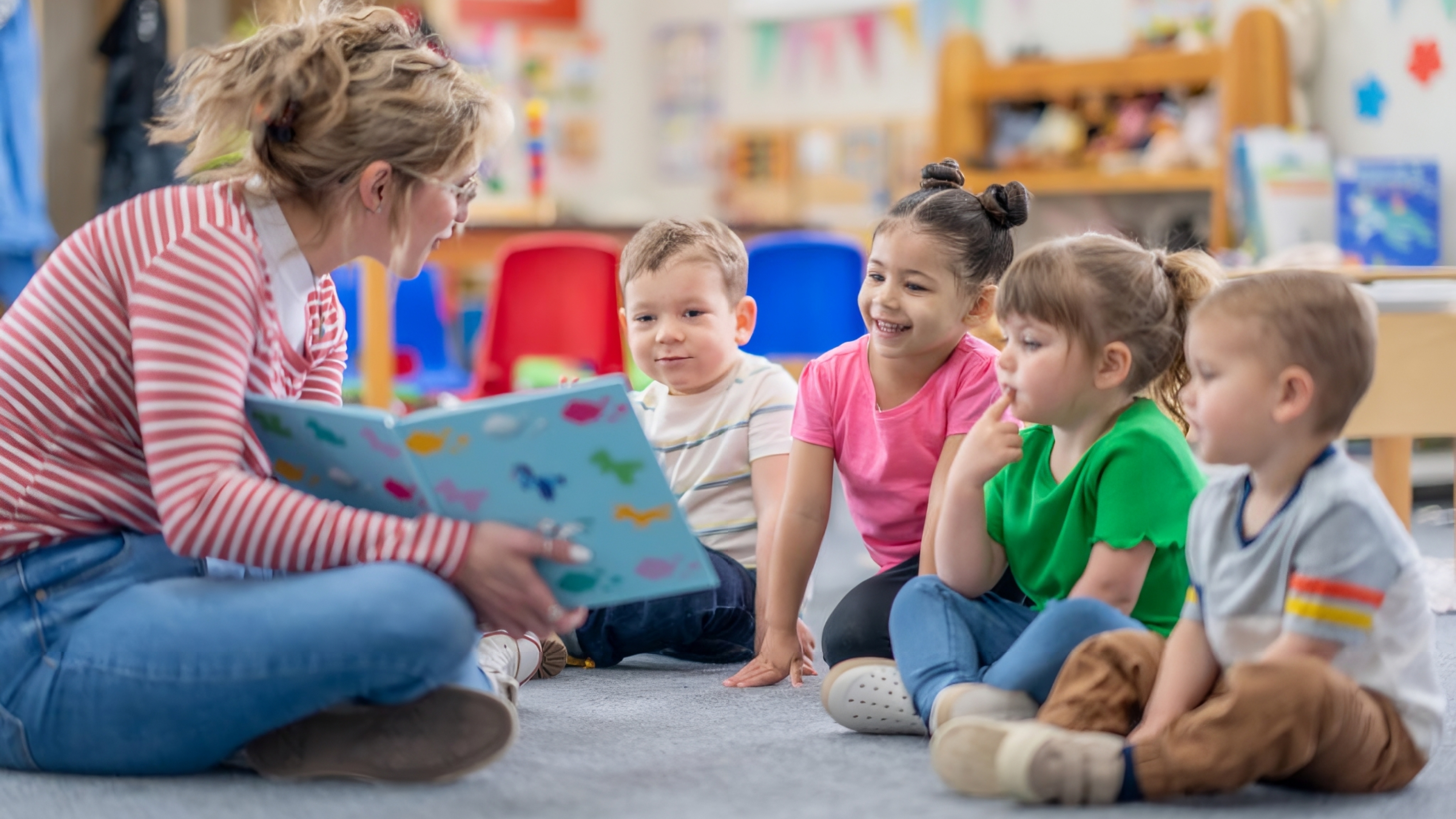
This approach works particularly well in small groups, where children feel more confident to express themselves and where meaningful conversations can take place. These interactions are invaluable for future planning and reflection.
The Key Person Approach naturally supports this. When educators spend focused time with their key group, they can:
- Build stronger relationships
- Gain deeper insight into children’s interests and needs
- Support each child as an active agent in their own learning (aligned with the Lundy Model of Participation)
Of course, flexibility remains essential. Children may choose to join other groups, and this should always be supported through open communication and respect for the child’s voice.
Benefits for Educators
The Key Person Approach also offers significant benefits for educators.
Having a key group can:
- Provide structure and clarity in daily practice
- Support more focused observations and reflective cycles
- Help ensure that no child is overlooked, particularly in busy environments
This does not mean educators stop engaging with other children. Early years practice is always collaborative, and all staff share responsibility for the well-being of every child. However, having designated key groups allows educators to slow down during certain parts of the day, build deeper connections, and notice the small but important details in children’s development, something that can be challenging during busy routines. It is often easier to identify the interests of more outgoing children, but quieter children may be less visible. The Key Person Approach helps ensure that every child’s voice is heard, not just the more sociable ones.
Supporting Transitions
The Key Person Approach plays a vital role in supporting both daily transitions and more significant changes, such as moving between activities, transitioning to another room, or starting primary school.
When an educator has built a strong understanding of a child, they are better able to identify potential challenges, support the child’s emotional well-being, and plan effectively for smoother transitions.
Importantly, this remains a team approach. Key persons should always collaborate with colleagues and families, particularly when a child may be experiencing difficulties.
Benefits for Children and Families
For children and parents, the Key Person Approach provides a strong sense of security, consistency, and belonging within the setting. Knowing there is a familiar adult who understands the child’s needs, interests, and personality helps children to feel safe and confident in their environment.
For children, this means having a trusted adult who can:
- Support them emotionally during the day
- Help them navigate friendships and routines
- Recognise their interests and support their learning
For parents, the Key Person becomes a main point of contact, making communication more personal and meaningful. Parents know who to speak to about their child’s day, progress, or any concerns, which helps to build trust and strong partnerships between home and the setting.
This consistent connection allows for:
- Better sharing of information about the child’s needs and development
- Greater understanding of the child’s experiences both at home and in the setting
- A more joined-up approach to supporting the child
Overall, the Key Person Approach supports children’s emotional well-being, helping them to feel safe, valued, and understood, while also strengthening relationships with families and creating a more supportive and responsive environment.
Benefits for the Service
The Key Person Approach also brings important benefits at a whole-service level, supporting consistency, clarity, and quality in practice.
When this approach is clearly implemented, it provides staff with a better understanding of roles and responsibilities. Each educator knows who is the key person for each child, which helps to ensure that observations, documentation, and communication are more organised, consistent, and meaningful.
It also supports:
- Clearer communication within the team, as there is a designated person who holds deeper knowledge of each child
- More effective planning and reflection, as responsibility for observations and learning stories is clearly defined
- Greater consistency in record-keeping and information sharing
- Safer and more organised outings, where defined groups help staff manage supervision effectively
- Smoother transitions, particularly to primary school, where a key person can liaise with schools and share relevant information about the child
Overall, the Key Person Approach strengthens organisation across the service, supports teamwork, and contributes to a more cohesive, child-centred practice.
Final Thoughts
The Key Person Approach is not about dividing responsibility. It is about deepening relationships and strengthening practice across the whole service.
When implemented with a shared understanding and a collaborative mindset, it supports meaningful connections between children, families, and educators. It allows time to slow down, to listen, and to truly understand each child as an individual.
In a busy early years environment, it can be easy to focus on routines and tasks. The Key Person Approach reminds us to refocus on what matters most - relationships, connection, and responsive care.
It ensures that every child is seen, heard, and valued, every family feels supported, and every educator has clarity and purpose in their role.
Ultimately, it is not about changing what we do, but about being more intentional in how we do it, creating a more nurturing, inclusive, and reflective environment where both children and adults can thrive.
Share this article